In the rapidly changing world of e-commerce, it is crucial to follow the latest trends if you want to be successful. We will explore ten key trends that will shape the future of e-commerce in 2024 and how you can leverage them to improve your business.
Buy now, pay later
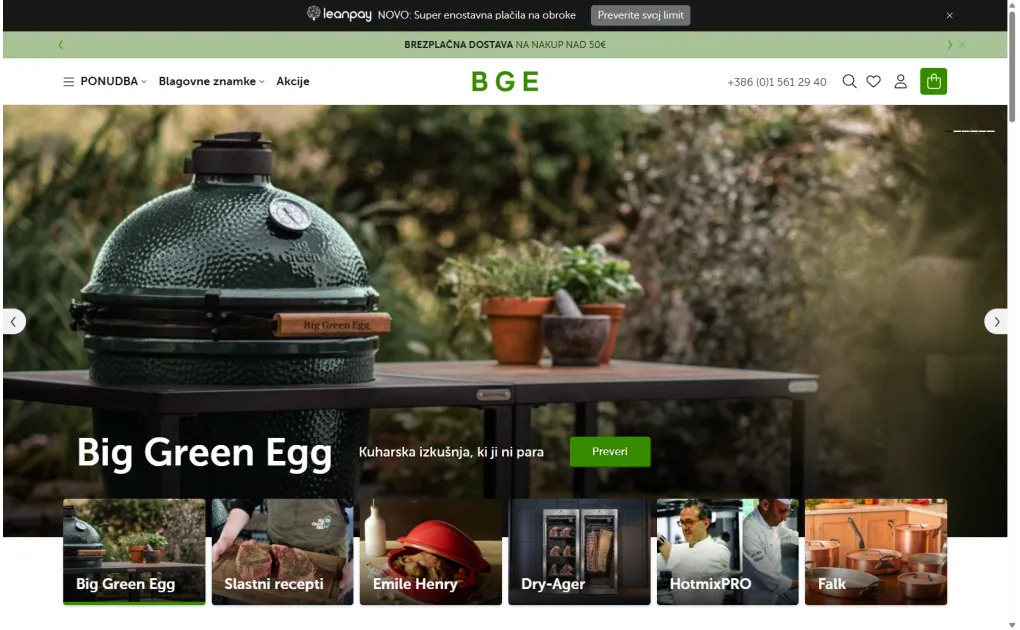
With modern consumers seeking greater financial flexibility, it is essential to offer options for immediate payment or deferred payment in installments. Flexible payment options attract different customer segments, enable faster purchasing decisions, and increase conversions. Installment payment solutions, such as LeanPay, allow easy integration of payment and display of installment prices in Magento online stores. According to LeanPay, the customer arranges everything on their mobile phone, without visiting the bank and unnecessary documentation.
The role of artificial intelligence (AI) and machine learning in e-commerce
Artificial intelligence and machine learning enable content personalization, improvement of product recommendations, and automation of marketing processes. Using advanced AI-based analytical tools helps e-commerce businesses understand customer behavior and tailor marketing strategies. Advanced AI features, such as chatbots and virtual assistants, enhance customer service efficiency and provide a better user experience.
To start, try ChatGpt for writing content for online stores and translating it, and you will soon see the potential of new technologies.

Focus on mobile devices
More than approximately 70% of online shoppers rely on mobile devices, while others opt for desktop computers and tablets. With the growing dominance of mobile shopping, it is crucial to design an e-commerce website that is specifically optimized for mobile users.
Integrating login technologies, along with one-click payments, will optimize the mobile payment process, providing additional incentives for consumers to switch from desktops to mobile devices. The result will be that mobile will become the preferred payment method for transactions on e-commerce platforms.
Social shopping and social commerce
Engagement on social platforms, such as TikTok, presents an opportunity to increase brand visibility among a broader target audience. Engaging in social shopping increases interaction with consumers, allows for quicker response to trends, and leverages virality. Constantly monitoring trends and engaging in current events on social media creates fresh and interesting content that attracts attention.

Influencer impact on sales
Collaborating with influencers who align with brand values strengthens customer trust and encourages interaction with products. Creating creative and authentic content by influencers helps spread the brand message and reach new segments of the target audience. Periodically reviewing and adjusting collaboration strategies with influencers allows for a dynamic approach to influencing sales.
Enhanced personalization
Leveraging purchase and browsing data to create personalized experiences increases customer satisfaction. With the help of machine learning algorithms, e-commerce businesses can predict customer purchase desires and display relevant products and offers. Offering options to customize content and user interface settings on websites increases customer engagement.
Last year, many stores decided to implement SMS notifications, and according to my data, the initial results were very good. Many stores have also started to implement additional personalized offers during the purchase process and even after the purchase is completed.
Photo and voice search
With a focus on high-quality images, detailed descriptions, and alternative words, search results via voice assistants and image searches are improved. Incorporating image search features allows consumers to find desired products faster, increasing satisfaction and the likelihood of purchase. Try using Google Lens on your phone when searching, for example, for what shoes an actress from a movie is wearing, and you can quickly find an identical or similar item.

Voice recognition simplifies the search process, especially among mobile device users. However, systems still have some issues with Slovenian.
Sustainability
Implementing environmentally friendly practices, such as biodegradable packaging, promotes conscious consumption and attracts environmentally conscious customers. Continuously updating sustainability efforts and communicating with the public about improvements in sustainable practices strengthens brand reputation. Offering incentives, such as discounts or rewards, for customers who choose environmentally friendly options encourages sustainable shopping decisions.
Same-day or next-day delivery
Modern consumers not only want fast delivery times, but they now expect them. In certain cases, customers are willing to pay extra for same-day or next-day delivery. If you do not provide these options, customers may seek alternatives from competitors who offer faster delivery services.
Customer reviews and ratings
Efforts to obtain customer reviews and ratings increase brand trust and transparency. By offering incentives, such as discounts or loyalty rewards, e-commerce businesses encourage customers to share their opinions and participate in the community. Actively responding to negative reviews demonstrates a commitment to resolving issues and improving customer experiences, which strengthens brand reputation. Simply offer a discount coupon for each review submitted and remember to notify the customer about it in an email, for example, two weeks after the purchase.