When preparing content for an online store, categorization is one of the most challenging tasks, as it involves numerous different factors that impact the overall user experience.
Preparing categories usually takes more time than we expect. Before implementation, several changes are often needed from the initial to the final categorization.
During long-term advertising activities, such as search engine optimization, we can create high-quality categories optimized for searched keywords. For instance, if we sell food and categorize it by food type, we can also add a category for dishes with specific attributes (e.g., vegan food). Often, visitors search using such keywords rather than the classical classification of food types. If a specific page is dedicated to a particular keyword, it can attract more traffic to the website. However, we should be cautious not to have too broad a selection and exclude certain unnecessary categories, such as "vegan pasta," from the main menu categorization, adding them only to specific subpages.
What should be considered when preparing the main menu?
Comparison of the Number of Categories and Items
One of the initial requirements is certainly the comparison of the number of categories and items in an online store. This is especially important for the impression a visitor gets when they visit a specific category. If it's empty or contains only a few items, the user may get the impression that the store is not well-stocked, which could deter them from making a purchase. Imagine a physical store that is supposed to offer a wide variety of products, but the fruit and vegetable section only has bananas and carrots to offer.
On the other hand, offering too many different items can create uncertainty for the visitor, possibly leading to a purchase interruption.
As an example, consider supermarket chains like Hofer and Lidl, which offer a wide range of items, but each item is not available in numerous variations. For instance, when searching for mayonnaise, you'll have a choice of one or two brands in two or three different sizes or packages, not multiple mayonnaise brands, as you might find at some other larger retailers (Interspar, Mercator). Having fewer choices can lead to quicker decisions, although it can also limit options if you have a specific taste or very specific preferences for a product.
Number of Subcategories Within Each Category
Just like the number of items available to users, the number of subcategories within each category is also important. A visitor decides about a store very quickly, so it's important not to offer them too many choices when selecting categories, as this could deter them from making a purchase. Keep a large number of categories in subcategories. I usually do not recommend having more than eight categories, as the page becomes overwhelming with too many subcategories. In the case of a classic horizontal navigation, never place categories in multiple rows, as such a layout can be confusing, and users may think they are looking at another menu or another level of the menu.
By limiting the number of categories into subcategories, the site can still have enough categories. Each of the eight main categories on the site has eight subcategories, totaling 64 categories, which should be more than sufficient for almost any type of online store.
Categorization Based on Different Purposes
When preparing categories, it's also important to consider visitors' varying knowledge of product offerings and their specificity in choice. It's necessary to consider categorization based on different purposes. This means that you can offer visitors with more specific tastes a choice based on the brand. For others who are not familiar with brands or do not have a favorite brand, you can offer choices based on usage (types of clothing) or based on the areas that the products cover (pharmacies).
Menu Display Options
Classic (horizontal) navigation
Vertical navigation
Multimedia navigation ("mega menu")
Fixed ("sticky") multimedia navigation
Frequently asked questions
Categorization directly affects whether customers find what they are looking for. Poor category structure increases bounce rate and reduces conversion. Good categorization is also the foundation for effective SEO.
There is no single rule - it depends on the assortment. The key is that a visitor reaches the desired product in 2-3 clicks. Too many categories cause confusion, too few make searching difficult.
Each category is a potential landing page for keywords. Well-named and described categories rank in search engines for the queries your customers actually use.
It is possible, but requires care regarding SEO - duplicate URLs must be handled with canonicalization. A better practice is good filtering within categories rather than duplicating products.
When there are major assortment changes or after analyzing on-site search. Structural changes are not recommended too frequently, as they affect search rankings and require 301 redirects.

My name is Anže, I am a certified Magento solution expert and the maker of several award-winning online stores. I am the architect of all Degriz projects.
Write to me →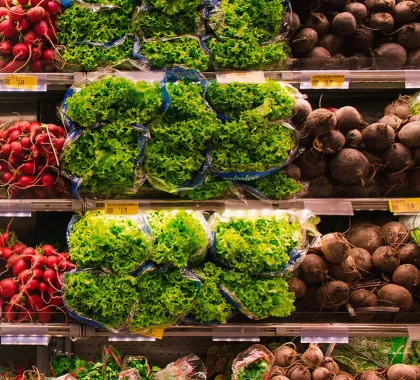
 Reading